Picking the Right Roofing Materials: Professional Advice From the Team at Premier Roofing & Exteriors
Choosing the right roofing materials can significantly impact a home's durability and aesthetic appeal. Premier Roofing & Exteriors highlights various options, including metal roofing, asphalt shingles, and clay tiles, each delivering unique advantages. Factors such as climate and architectural style play a vital role in this selection. Understanding the long-term value of quality materials is crucial, yet many homeowners neglect key factors that can impact their decisions. What additional aspects should they explore?
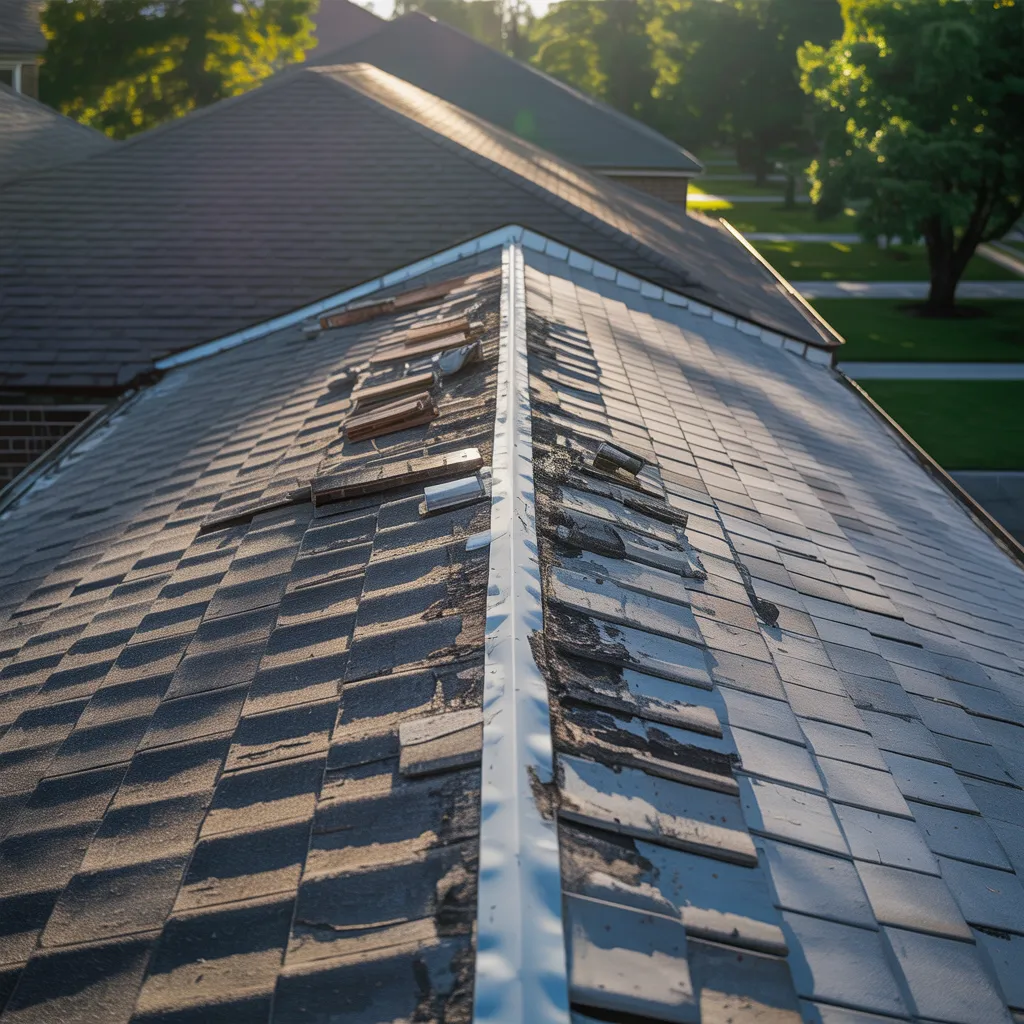
Understanding Different Roofing Materials
When choosing roofing materials, what factors should homeowners consider? A variety of options exist, each featuring unique traits, benefits, and limitations. Asphalt shingles are widely favored for their cost-effectiveness and straightforward installation, making them a frequently selected option for numerous home projects. Metal roofing, celebrated for its resilience and ability to reduce energy consumption, attracts homeowners looking for lasting performance and lower cooling expenses. Clay and concrete tiles deliver decorative beauty and demonstrate resistance to a range of weather elements, however they are generally heavier and costlier. Wood shakes deliver a natural aesthetic but demand consistent upkeep to avoid deterioration. Homeowners must also consider local climate, architectural style, and budget constraints. Ultimately, the choice of roofing material should align with personal preferences and practical needs, achieving a harmony between performance and aesthetic quality while boosting the home's total worth.
How to Evaluate Durability and Longevity
Examining longevity and resilience in roofing materials is essential for homeowners looking to make a wise investment. To determine these factors, one should examine the material's capacity to endure environmental elements such as wind, rain, and hail. For instance, metal roofs frequently surpass asphalt shingles regarding longevity, frequently lasting over 50 years given adequate upkeep.
One other key factor is the product warranty, which can shed light on anticipated longevity and resilience. It is also important for homeowners to consider the surrounding environmental conditions, as particular materials often work more efficiently in particular settings. As an illustration, clay tiles hold up well against intense heat and cold, rendering them a great choice for warmer climates.
Additionally, obtaining expert insights and evaluations can assist in examining performance history. In the end, selecting materials that match both local requirements and individual preferences ensures a long-lasting roofing solution that safeguards homes for many years.
Price vs. Worth in Roofing
Comprehending the correlation between expense and worth in roofing materials is essential to arriving at educated decisions. Residents often face the difficulty of weighing initial costs against long-term advantages. While cheaper materials may decrease starting costs, they may lack durability and require more frequent replacements, in the end driving up total expenses. In contrast, selecting higher-grade materials can yield significant savings over time through superior lasting power and decreased maintenance necessities.
Worth also includes factors such as energy efficiency and aesthetic appeal. Better-insulated roofs can reduce energy costs, providing a return on Premier Roofing & Exteriors investment that transcends the initial outlay. Additionally, a visually appealing roof can enhance a home's market value. Consequently, assessing roofing choices should go beyond price and take into account long-term benefits and possible savings. Ultimately, a thoughtful assessment of cost versus value will lead to more satisfactory roofing choices.
Choosing the Right Roofing Style for Your Home's Architecture
What steps can homeowners take to ensure their roofing style matches their home's architecture? Choosing the appropriate roofing style is essential for creating visual harmony and improving curb appeal. Homeowners ought to begin by evaluating their home's architectural style. As an example, a contemporary home typically complements flat or low-slope roofs, whereas classic styles such as Colonial or Victorian are enhanced by gable or hip roofs.
In addition, the local environment is a key factor. Homes in coastal areas might opt for materials designed to resist salt and moisture, while those in harsh winter climates may need roofs engineered to manage snow accumulation. Coordinating colors is also essential; a roof should blend with the exterior palette to produce a seamless visual effect. Seeking advice from architectural experts or professionals can offer helpful guidance, confirming that the decided roofing solution not only aligns with personal taste but also maintains the architectural authenticity of the residence.
Care Guidelines for Your Selected Roofing Material
Proper maintenance of roofing systems is essential for prolonging their durability and ensuring peak performance. Residents should carry out routine checkups, preferably two times annually, to identify potential issues such as compromised shingles or accumulated waste. Maintaining gutters and downspouts avoids water-related damage and supports effective drainage. For asphalt roofing materials, ensuring sufficient air circulation can reduce excessive heat accumulation, which may lead to material degradation. Steel roofing systems need periodic checks for corrosion or unsecured hardware, while tiled roof systems should be examined for cracked tiles.
Moreover, ensuring trees are kept trimmed away from the roof minimizes the risk of falling branches and reduces moss or algae growth. Where required, immediate repairs should be completed to prevent minor problems from becoming major ones. Finally, hiring a professional for routine maintenance or inspection can supply expert advice and verify that the roofing material is maintained in optimal condition, contributing to the home's overall value and safety.
Frequently Asked Questions
How Do Different Roofing Materials Affect the Environment?
Roofing materials differ significantly in their environmental effects. Asphalt shingles add considerably to landfill accumulation, but metal roofs present a recyclable alternative. Green roofs offer insulation benefits, but their installation can be resource-intensive, emphasizing the necessity of making well-informed choices.
How Does Weather Affect the Performance of Roofing Materials?
Weather plays a significant role in how roofing materials perform. Intense heat or cold can trigger expansion or contraction, whereas heavy rainfall or snowfall can cause leaks. Strong winds can lift or deteriorate materials, reducing their durability and functional effectiveness with time.
Can I Install New Roofing Over Existing Materials?
Absolutely, roofing installations can be completed over existing materials, provided the structure is sound and local building codes allow it. This method can save time and costs, though a careful inspection is critical to confirm the roof's durability.
What Types of Warranties Are Commonly Available for Roofing Materials?
Common warranties for roofing materials include manufacturer warranties, typically covering defects for 20 to 50 years, and contractor workmanship warranties, spanning from one to ten years, depending on the contractor, ensuring installation quality and material performance.
How to Find a Dependable Roofing Contractor
To choose a reliable roofing professional, it is advisable to examine customer reviews, confirm licenses and insurance, request detailed estimates, and maintain clear communication. Word-of-mouth recommendations and checking past work can also enhance trust in the contractor's skills.